Why STEAM Matters Across All Education?
Why STEAM Matters Across All Education
STEAM and its importance
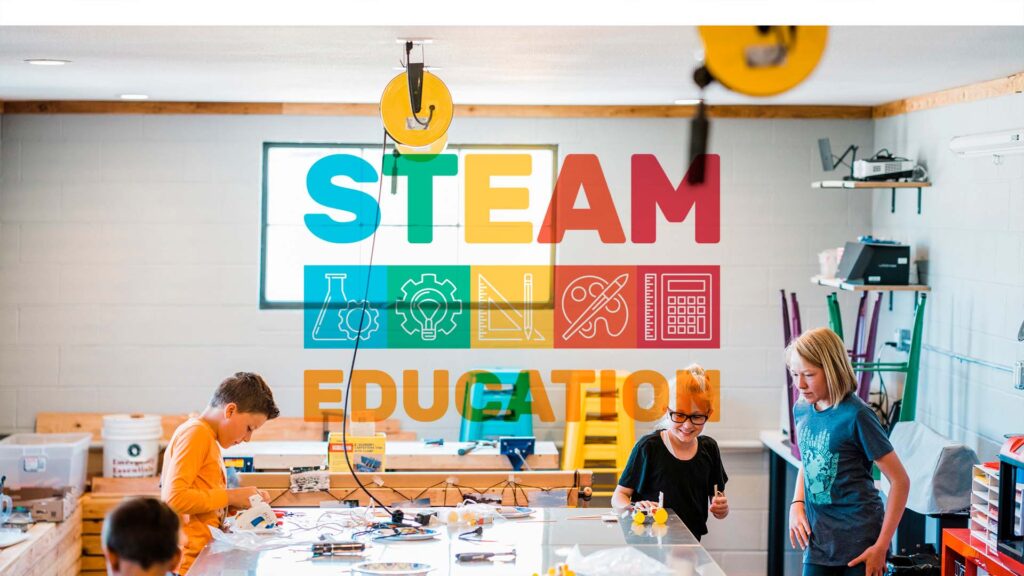
STEAM—Science, Technology, Engineering, Arts, and Mathematics—is more than a set of subjects. It is a way of learning that connects skills, knowledge, and values across disciplines. This article reflects on why STEAM is important and how it strengthens learning in non-technical subjects.
The world is changing fast. Technology, global challenges, and new ways of working affect all aspects of life. Students need more than facts or formulas; they need skills like critical thinking, problem solving, creativity, and teamwork.
STEAM education helps learners develop these skills. It encourages active learning and real-world problem solving. Students do not just memorise theory—they apply knowledge in practical, meaningful ways. This approach prepares learners for future studies, work, and life in society.
Inclusion in STEAM
STEAM works best when it is inclusive. Inclusion means all learners, regardless of background, ability, language, or gender, can participate and succeed. Teachers use different strategies, tools, and group work to ensure everyone contributes.
Inclusive STEAM classrooms also teach important social values, such as respect, collaboration, and empathy. When learners feel valued, they are more confident, motivated, and willing to take risks. Inclusion makes STEAM a learning approach that benefits everyone, not only those strong in technical subjects.
Creativity and Entrepreneurship in STEAM
Creativity is at the heart of STEAM. It is not only part of the “Arts” — it appears in every subject. Creative thinking helps learners explore solutions, ask questions, and express ideas in different ways. Creative projects make learning enjoyable and help students discover personal strengths.
Entrepreneurship adds another layer. Students learn to turn ideas into real solutions, take responsibility, and work in teams. Through projects like designing a sustainable product or presenting a community solution, learners practise leadership, decision-making, and problem-solving. These skills are valuable in education, work, and daily life.
How STEAM Connects to Non-STEAM Subjects
STEAM is not separate from other subjects—it enhances them.
- Languages and communication: Writing reports, presenting projects, or storytelling strengthens reading, writing, and speaking skills.
- Social and civic education: Addressing real-world problems like environmental issues or local challenges teaches ethical thinking and social responsibility.
- Arts and humanities: Visual design, music, and storytelling help learners explain ideas, develop imagination, and deepen understanding.
- Mathematics in context: Math can be applied to history, economics, or geography projects, helping learners make connections between subjects.
By linking technical and non-technical subjects, STEAM makes learning deeper, more connected, and meaningful.
Practical Application and Benefits
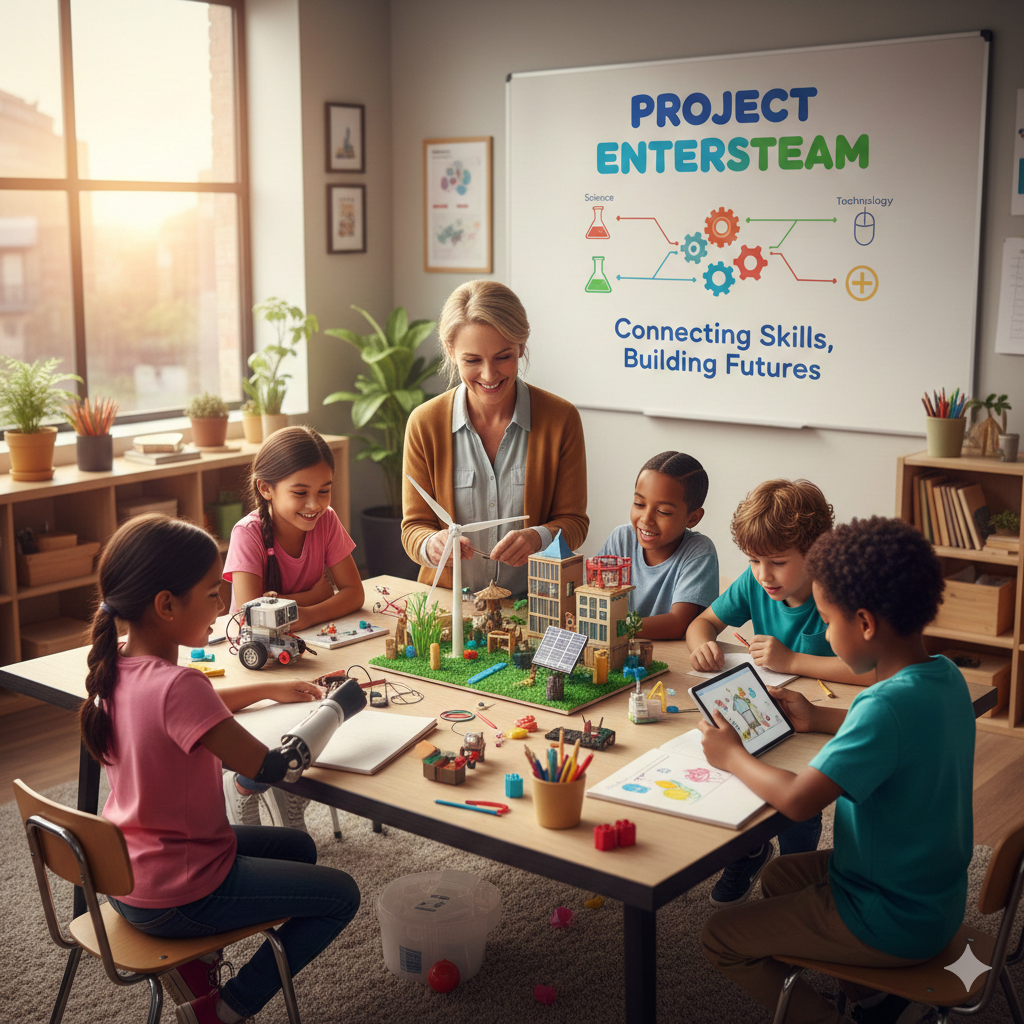
STEAM is most effective when learners engage in hands-on projects. Examples include building models, using digital tools, creating videos, or designing solutions for local challenges. These tasks develop teamwork, creativity, and problem-solving skills.
Benefits of STEAM include:
- Higher motivation and engagement
- Development of critical thinking and creativity
- Improved confidence and independence
- Stronger collaboration and communication skills
STEAM also encourages teachers to innovate in their teaching, creating interdisciplinary lessons and more inclusive classrooms.
Conclusion
STEAM is important because it goes beyond technical knowledge. By combining inclusion, creativity, and entrepreneurship, it connects skills across disciplines and prepares learners for the future.
In all types of education—primary, secondary, or higher—STEAM helps students understand how learning is interconnected. It builds skills, values, and confidence, making education more meaningful and relevant for everyone.